


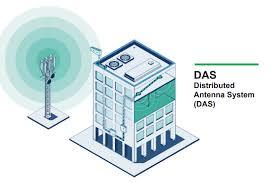
The increasing demand for reliable wireless connectivity in complex indoor environments has driven remarkable growth in network infrastructure solutions. The Distributed Antenna Systems Market Size represents a critical segment within the telecommunications infrastructure landscape experiencing substantial expansion globally. The Distributed Antenna Systems Market size is projected to grow USD 31.92 Billion by 2035, exhibiting a CAGR of 9.24% during the forecast period 2025-2035. This consistent growth trajectory reflects increasing demand for seamless wireless coverage in buildings, stadiums, airports, and other large facilities worldwide. Distributed antenna systems extend wireless network coverage by distributing signals through multiple antenna nodes connected to a central source. These systems address coverage gaps and capacity limitations that traditional macro cell towers cannot resolve in indoor environments effectively. Modern DAS solutions support multiple wireless carriers and technologies simultaneously, making them essential infrastructure for contemporary connectivity requirements. The convergence of cellular, WiFi, and public safety communications within unified DAS platforms has expanded market scope significantly. Enterprise digital transformation initiatives drive investment as organizations recognize wireless connectivity as essential business infrastructure.
Commercial real estate developments represent primary drivers of market expansion as property owners seek to enhance building connectivity value. Office buildings require robust wireless coverage supporting tenant operations, attracting high-quality tenants willing to pay premium rents. Shopping malls implement DAS infrastructure to enable mobile commerce, customer engagement applications, and operational efficiency improvements. Hotels and hospitality properties deploy distributed antenna systems ensuring guest connectivity expectations are met throughout facilities. Healthcare facilities require reliable wireless coverage for clinical communications, patient monitoring, and operational systems connectivity. Educational campuses implement DAS solutions supporting digital learning environments and administrative operations across buildings. Convention centers and conference facilities provide comprehensive coverage enabling attendee connectivity during events and exhibitions. Mixed-use developments integrate DAS infrastructure addressing diverse connectivity requirements across residential, commercial, and retail spaces.
Public venue applications drive substantial market growth as large gathering spaces require enhanced wireless capacity and coverage solutions. Sports stadiums and arenas implement DAS infrastructure supporting tens of thousands of simultaneous users during events. Concert venues and entertainment facilities deploy distributed systems ensuring attendee connectivity for social sharing and mobile services. Airports represent major DAS deployment sites, with coverage requirements spanning terminals, concourses, and operational areas comprehensively. Train stations and transit hubs require robust coverage enabling passenger connectivity and operational communications throughout facilities. Museums and cultural institutions implement DAS solutions supporting digital exhibits, visitor services, and operational requirements. Theme parks deploy distributed antenna systems ensuring guest connectivity across expansive properties with diverse terrain challenges. Casino properties implement comprehensive DAS infrastructure supporting guest services, gaming operations, and security communications.
Public safety communications requirements drive significant market investment as regulations mandate in-building emergency responder coverage. Building codes increasingly require dedicated public safety DAS infrastructure ensuring first responder radio communications function during emergencies. Fire departments depend on reliable in-building coverage for coordinating emergency response activities effectively throughout structures. Police agencies require consistent coverage for tactical communications during active incidents within buildings and facilities. Emergency medical services rely on wireless connectivity for patient information access and hospital coordination during responses. Government buildings implement dual-purpose DAS supporting both commercial wireless and public safety communications simultaneously. Critical infrastructure facilities including power plants and water treatment facilities require reliable communications for operational safety. Federal regulations and local ordinances continue expanding public safety DAS requirements, driving market growth substantially.
Top Trending Reports -
Student Response System Market Competitive Landscape

 English
 Arabic
 French
 Spanish
 Portuguese
 Deutsch
 Turkish
 Dutch
Dutch
 Italiano
 Russian
 Portuguese (Brazil)
 Tiếng Việt