


Sometimes I download casual games with zero emotional commitment. No hype, no expectations, no plan to remember them the next day. They’re just there to fill small gaps in time—waiting for food, killing a few minutes before bed, avoiding doing something slightly more important.
That was exactly my mindset when I opened Eggy Car again last night.
I wasn’t looking for a challenge. I definitely wasn’t looking for a lesson. And yet, by the end of the session, I caught myself thinking, “Wow… I really don’t like being rushed—even by myself.”
That’s when I knew this game had done something right.
I Was Already Tired, Which Made Everything Worse
This session happened after a long day. The kind where your brain feels foggy but refuses to shut down. I wanted something light. Something that wouldn’t demand strategy, memory, or fast reactions.
On the surface, this game fit perfectly.
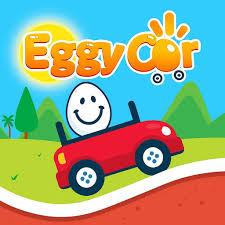
You tap. The car moves. The egg sits on top. Simple.
But being tired made one thing very clear: this game does not forgive impatience. And tired me? Very impatient.
The Early Runs Were a Mess (and Completely My Fault)
I rushed everything.
I accelerated too quickly. I reacted too late. I tried to “save” the egg when it didn’t need saving. Each run ended faster than the last, and none of the failures were dramatic enough to be funny.
They were just… sloppy.
Normally, that’s the point where I’d close a casual game and never think about it again. But instead, I paused. I noticed something interesting: I wasn’t angry at the game.
I was annoyed at myself.
That distinction matters.
Slowing Down Changed Everything
At some point, I forced myself to do one thing differently: I slowed down my inputs. Not the car—my thumb.
I stopped reacting instantly to every movement. I let the egg wobble a little before intervening. I trusted momentum instead of fighting it.
The result?
I went farther. Not insanely far. But noticeably farther.
That’s when I realized the game wasn’t asking me to be skilled—it was asking me to be patient.
The Strange Comfort of Predictable Failure
There’s something oddly comforting about knowing why you failed.
When the egg falls, there’s no confusion. No randomness to argue with. No hidden mechanic to blame. The reason is always there, right in front of you.
You went too fast.
You panicked.
You overcorrected.
That clarity turns failure into information instead of frustration.
It’s one of the reasons Eggy Car feels more fair than many louder, more complex games.
The Run That Gave Me False Hope
Of course, the moment I felt calm and in control, the game reminded me not to get cocky.
I had one run where everything aligned. My timing felt natural. The hills flowed smoothly. The egg bounced but stayed centered. I leaned closer to the screen without realizing it.
I thought, “This might be the one.”
It wasn’t.
The egg didn’t fall on a hard section. It fell on a gentle slope that I underestimated. One extra tap. One unnecessary adjustment. Done.
That loss hurt more than the messy ones—and I think that’s intentional.
Why “Almost Winning” Feels So Personal Here
In many casual games, losing feels generic. You fail, you shrug, you restart.
Here, losing feels specific.
You remember the moment you messed up. You replay it in your head. You think, “If I’d just waited half a second…”
That kind of emotional engagement doesn’t come from complex systems—it comes from tight, honest mechanics.
And that’s why close failures stick with you longer than clean losses.
The Funniest Moment Came When I Got Too Comfortable
One of my favorite moments from this session was also the dumbest.
I survived a rough section that usually ends my runs. Multiple uneven hills. Constant bouncing. I stayed calm the whole time.
Then came a long, flat stretch.
I relaxed completely.
The egg slowly rolled off the car like it had been planning it all along.
No chaos. No warning. Just quiet betrayal.
I laughed out loud—not in frustration, but in genuine amusement. That moment perfectly captured the personality of the game.
What This Game Quietly Teaches You
I don’t think the developers set out to teach life lessons, but repetition has a way of doing that anyway.
Here’s what I’ve personally taken away after many failed runs:
Patience Is a Skill
Not reacting immediately is harder than reacting quickly. This game proves that again and again.
Control Is About Timing, Not Force
You don’t win by pressing harder or faster. You win by pressing less, at the right time.
Letting Go Is Part of Progress
Some runs end well. Some don’t. Accepting that makes the experience better instead of bitter.
These lessons didn’t come from success—they came from paying attention to failure.
Why I Keep Trusting This Game With My Time
As someone who plays a lot of casual games, I’m sensitive to manipulation. I notice when games try to trap me with streaks, currencies, or fake urgency.
This game doesn’t do that.
It doesn’t beg you to stay. It doesn’t punish you for leaving. It simply offers the same honest challenge every time you open it.
That makes coming back feel like a choice—not an obligation.
And that’s rare.
The Run That Ended the Night
Near the end of the session, I had a run that felt balanced. Not perfect. Not record-breaking.
Just calm.
When the egg finally fell, I didn’t feel the need to prove anything. I closed the app without frustration, without regret.
That’s how I knew the session had done its job.
Final Thoughts From a Casual Gamer Who Keeps Getting Humbled
I didn’t expect to keep writing about Eggy Car, but here we are. Not because it’s flashy or deep—but because it’s honest.
It challenges impatience. It rewards restraint. It turns small mistakes into memorable moments. And somehow, it makes a fragile egg feel important.

 English
 Arabic
 French
 Spanish
 Portuguese
 Deutsch
 Turkish
 Dutch
Dutch
 Italiano
 Russian
 Romaian
 Portuguese (Brazil)