


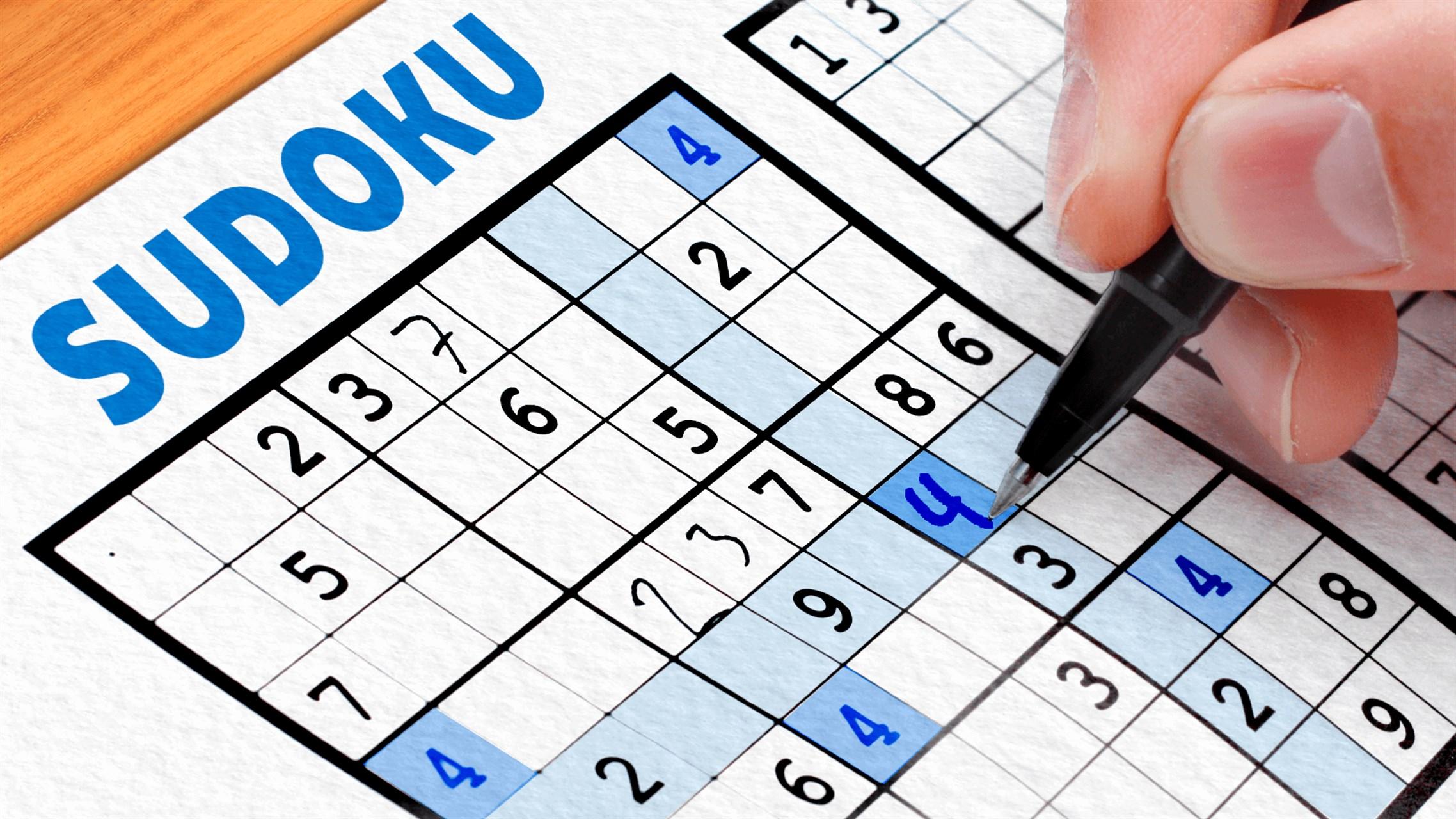
If you’ve ever picked up a pencil and stared at a grid of numbers, you probably know the strange mix of excitement and terror that Sudoku brings. For years, I avoided it, thinking it was some mystical puzzle for geniuses. But a few months ago, curiosity (and maybe a long train ride) convinced me to give it a try. That moment changed the way I see puzzle games forever.
What Makes Sudoku So Addictive
Sudoku is deceptively simple. The rules are easy: fill a 9x9 grid so every row, column, and 3x3 box contains the numbers 1 through 9. Sounds straightforward, right? Wrong.
The appeal of Sudoku, at least for me, lies in that sweet spot between challenge and achievability. Every time I place a number correctly, there’s this tiny spark of satisfaction that feels disproportionately huge. It’s like the grid rewards patience and careful thinking. You start to notice patterns, small strategies emerge, and suddenly, the puzzle that once looked impossible begins to feel like a secret code you’re slowly cracking.
And yet, just when you feel confident, a single misstep can make the puzzle impossible to finish. That tension—the balance of triumph and potential disaster—is oddly thrilling. It’s a game that keeps you humble, and strangely, I love it for that.
My First Struggle: An “Intermediate” Nightmare
I remember my first real challenge. The puzzle was labeled “Intermediate,” but I quickly learned that “intermediate” is a very generous term. I stared at the blank grid for what felt like eternity, pencil poised, willing my brain to produce the right numbers magically.
The first few numbers went in smoothly. I felt like a Sudoku savant. Then came the dreaded rows where nothing seemed to fit. My carefully crafted plan fell apart, and frustration set in. I think I muttered every expletive under the sun that day. But here’s the thing: even in that exasperation, there was something compelling about the puzzle. I couldn’t walk away. I wanted that sense of completion so badly that I kept at it, even when my brain screamed “Why are you doing this?”
After nearly an hour of trial, error, and desperate erasing, the grid was finally complete. That victory—the puzzle fully solved—felt like climbing a mountain. I leaned back, exhausted but exhilarated. That first “aha!” moment hooked me completely.
Funny Moments Along the Way
Sudoku has a way of creating silly, memorable experiences. Once, I tried to do a puzzle while waiting for my coffee at a café. I was so focused that I didn’t notice my cup tipping over. Coffee spilled everywhere, and my phone was on the verge of drowning. Yet, my first instinct wasn’t panic—it was, “I need to save this puzzle!” Only after the puzzle was safe did I deal with the mess.
Another time, I tried solving a puzzle with my younger cousin. He randomly filled numbers without thinking. Watching him confidently “solve” a grid completely wrong had me laughing for minutes. It reminded me that Sudoku can be both frustrating and fun if you’re willing to embrace the chaos.
Tips and Lessons I Learned
Over time, I picked up some strategies that made the experience less stressful and more satisfying. Here are a few that worked for me:
Start with the Obvious
Begin with numbers that are guaranteed to fit somewhere. This builds momentum and makes the puzzle less intimidating.
Pencil Marks Are Your Friend
I used to avoid writing tiny numbers in empty squares, thinking it was childish. Now, I realize they’re a lifesaver, especially for harder puzzles. They allow you to track possibilities without committing too early.
Take Breaks
Sometimes, the grid can feel impossible. Walking away for a few minutes refreshes your mind and often makes patterns obvious when you return.
Celebrate Small Wins
Completing just a row or box is a victory in itself. It keeps you motivated and reminds you that progress matters more than perfection.
Why I Keep Coming Back
The truth is, Sudoku isn’t just about numbers. It’s about focus, patience, and the thrill of problem-solving. Each puzzle teaches me something—whether it’s careful observation, planning ahead, or even just humility. There’s a strange meditative quality to it: the world fades, and it’s just you, the grid, and the numbers.
I’ve also noticed that solving Sudoku regularly improves my attention to detail. I catch little patterns in everyday life I’d otherwise overlook. It’s like a mental workout that’s also entertaining—rare for most exercises.
There’s also a social side I didn’t expect. I’ve started sharing puzzles with friends, comparing completion times, and even challenging them. It’s playful competition that brings people together without being stressful.
My Favorite Sudoku Memory
If I had to pick one moment that captures why I love Sudoku, it was a late-night session during a thunderstorm. I was curled up on the sofa, soft rain tapping the windows, and a particularly fiendish puzzle in front of me. Each number felt like a small victory, each correct row a triumph. When I finally placed the last number, I literally cheered aloud. My dog gave me a confused look, but I didn’t care. That feeling of solving something so challenging, yet so personal, is addictive.
Conclusion: Why You Should Try Sudoku
Sudoku isn’t just a game; it’s a journey of small victories, moments of frustration, and surprising insights. Whether you’re looking for a mental challenge, a calming routine, or just a way to pass time without doomscrolling, it’s worth trying.

 English
 Arabic
 French
 Spanish
 Portuguese
 Turkish
 Dutch
Dutch
 Italiano
 Russian
 Romaian
 Portuguese (Brazil)
 Tiếng Việt